
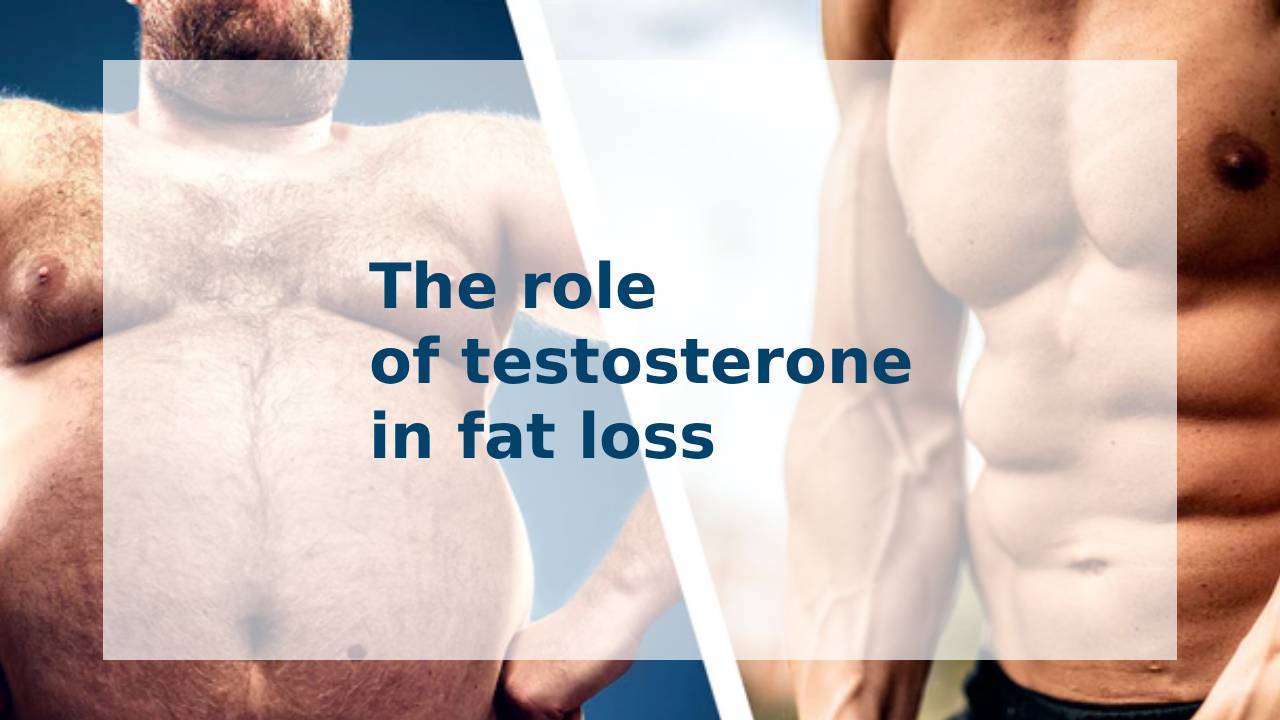
Testosterone is widely known for its role in muscle growth and male health, but it also plays a critical role in fat loss. Low testosterone levels are often associated with increased body fat, especially around the abdomen, while optimal testosterone can enhance metabolism, support lean muscle, and improve overall body composition. In this article, we’ll explore how testosterone impacts fat loss and strategies to maintain healthy levels.
For men considering testosterone therapy to support fat loss and muscle maintenance, Nebido Testosterone offers a long-acting and convenient solution. With infrequent injections, Nebido helps maintain stable testosterone levels, supporting energy, metabolism, and overall body composition naturally.
1. Testosterone and Metabolism
Testosterone directly influences basal metabolic rate (BMR), the amount of calories your body burns at rest. Higher testosterone levels help:
- Increase energy expenditure
- Promote fat oxidation
- Support lean muscle mass, which burns more calories
💡 Tip: Maintaining testosterone through exercise, nutrition, and proper sleep can enhance your metabolism and aid fat loss.
2. Testosterone and Fat Distribution
Low testosterone is linked to increased visceral fat, which surrounds internal organs and is associated with metabolic issues. Optimal testosterone helps:
- Reduce abdominal fat
- Improve insulin sensitivity
- Support a healthier body composition
💡 Tip: Resistance training and high-intensity workouts help naturally raise testosterone and target fat loss effectively.
3. Exercise to Support Testosterone and Fat Loss
Certain exercises are especially effective for boosting testosterone and burning fat:
- Compound lifts: Squats, deadlifts, bench press, pull-ups
- High-intensity interval training (HIIT): Short bursts of intense cardio with rest periods
- Leg-focused workouts: Engage large muscle groups to stimulate hormone production
💡 Tip: Consistency and proper recovery are key to maximizing both fat loss and testosterone levels.
4. Nutrition and Lifestyle Factors
Testosterone levels are influenced by lifestyle:
- Eat a balanced diet rich in protein, healthy fats, and micronutrients
- Avoid excess sugar and processed foods
- Ensure 7–9 hours of quality sleep per night
- Manage stress, as high cortisol can lower testosterone
💡 Tip: Combining diet, exercise, and lifestyle changes can significantly enhance fat loss results.
5. TRT and Fat Loss
For men with clinically low testosterone, testosterone replacement therapy (TRT) may help reduce body fat and improve lean mass. Products like Nebido or other long-acting testosterone injections can stabilize hormone levels under medical supervision.
💡 Tip: TRT should always be guided by a healthcare professional, with regular blood tests to monitor hormone levels and safety.
Conclusion
Testosterone plays a vital role in fat loss by regulating metabolism, influencing fat distribution, and supporting muscle mass. Whether through natural methods like exercise, nutrition, and lifestyle optimization, or medically supervised TRT, maintaining healthy testosterone levels is key to achieving a leaner, healthier body.